







Water leaks can cause serious damage when they go unnoticed for too long. Hidden leaks often lead to higher utility bills, mold growth, damaged walls, and expensive repairs. A leak detection plumber uses advanced tools and techniques to locate leaks without causing unnecessary damage to your property. Whether the issue is behind walls, under floors, or beneath concrete slabs, professional leak detection can save homeowners time and money. Understanding how leak detection works and recognizing the warning signs can help prevent larger plumbing problems in the future.
Understanding the Role of a Leak Detection Plumber
A leak detection plumber specializes in locating hidden leaks in residential and commercial plumbing systems. Unlike general plumbing repairs, leak detection focuses on identifying the exact location of water loss before repairs begin. Professionals use modern equipment to minimize damage and improve accuracy during inspections. Their goal is to find leaks quickly and recommend the best repair options. This approach helps property owners avoid unnecessary demolition and expensive restoration work.
Leaks can occur in water supply lines, drain pipes, underground systems, and even beneath concrete foundations. Some leaks remain hidden for months before becoming visible. A leak detection plumber can identify problems that are difficult to detect with a visual inspection alone. Early detection reduces water waste and protects the structure of a home. It also helps prevent moisture-related issues that can affect indoor air quality.
Read also: Emergency Plumbing Services: A Complete Guide to Fast Repairs and Common Plumbing Emergencies
Common Signs That Indicate Hidden Water Leaks
Many plumbing leaks start small and gradually become larger over time. Homeowners often notice unusual signs before the leak becomes severe. Paying attention to these warning signals can help avoid costly repairs later. A leak detection plumber can inspect the system when these symptoms appear. Prompt action can prevent major water damage.
Some common warning signs include:
- Unexpected increases in water bills.
- Damp spots on walls or ceilings.
- Mold or mildew smells.
- Low water pressure.
- Peeling paint or bubbling wallpaper.
- Sounds of running water when fixtures are turned off.
- Wet patches in the yard.
- Warm spots on floors.
These signs should not be ignored because hidden leaks often worsen over time. Professional inspections can determine the source before extensive damage occurs.
How Professionals Locate Hidden Leaks
Modern technology has transformed the way plumbing leaks are found. A leak detection plumber uses specialized equipment that allows leaks to be located without tearing apart walls or floors. These methods provide accurate results while reducing unnecessary repairs. The process is efficient and helps homeowners save money. Different techniques are used depending on the location and severity of the leak.
Acoustic Listening Devices
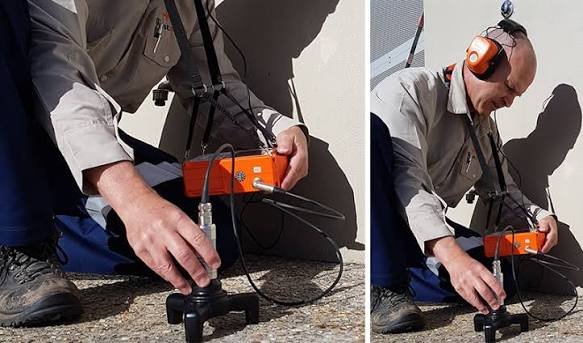
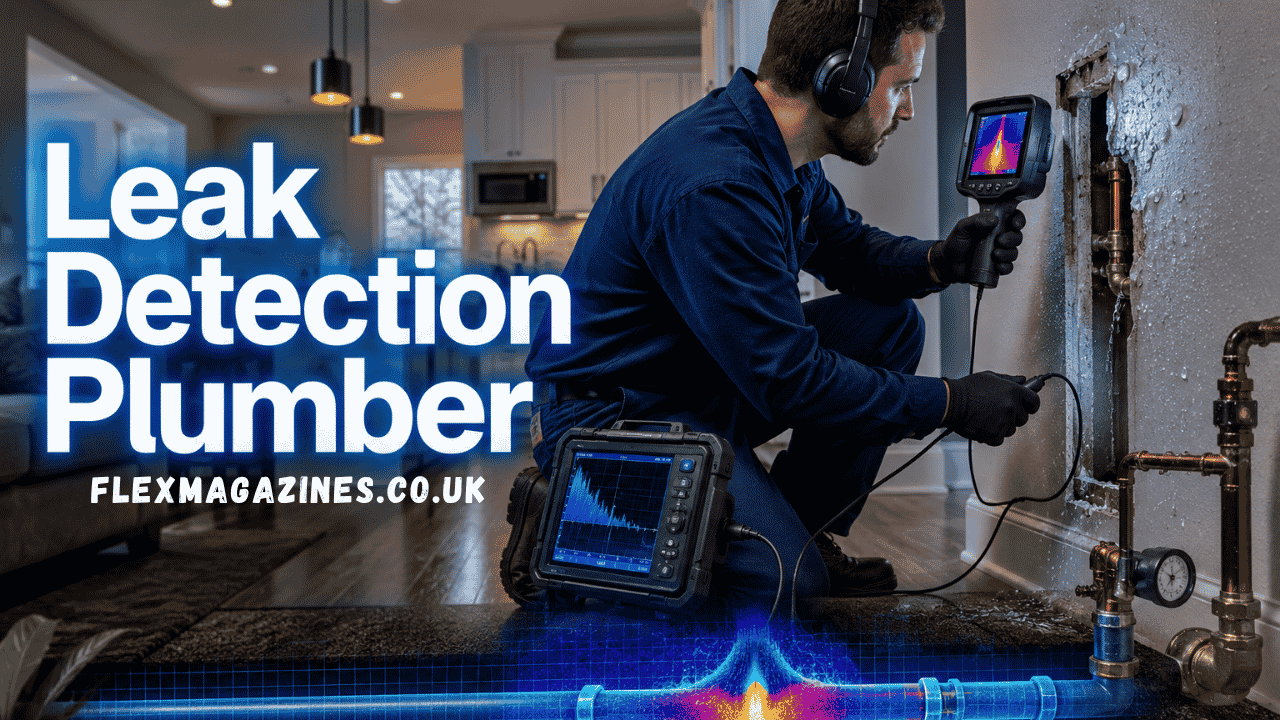
Acoustic equipment detects the sound produced by escaping water. Sensitive devices help professionals pinpoint leaks inside walls, underground pipes, and beneath concrete surfaces. This method is commonly used because it is non-invasive and highly effective. It reduces the need for destructive inspections. Acoustic testing is especially useful for locating slab leaks.
Thermal Imaging Cameras
Infrared cameras identify temperature changes caused by moisture. These cameras reveal hidden leaks behind walls and under floors without opening surfaces. Temperature differences help technicians identify areas that require closer examination. Thermal imaging provides fast and accurate results. It is often used alongside other diagnostic tools.
Moisture Meters and Pressure Testing
Moisture meters measure water content inside walls and floors. Pressure tests help determine whether a plumbing system is losing water. These techniques allow professionals to narrow down the affected area. Accurate measurements improve the efficiency of repairs. A leak detection plumber frequently combines these methods to confirm the source of a leak.
Slab Leaks and Their Warning Signs
Slab leaks occur beneath the concrete foundation of a property. These leaks can damage floors, walls, and structural components if they remain untreated. A leak detection plumber has the tools needed to locate slab leaks without excessive digging or demolition. Early detection is essential because foundation repairs can be expensive. Recognizing the symptoms can help homeowners act quickly.
Common signs of slab leaks include:
- Cracks in walls or flooring.
- Warm areas on tile or concrete floors.
- Higher water bills.
- Moisture beneath carpets.
- Reduced water pressure.
- Sounds of running water beneath the floor.
Slab leaks should be addressed immediately because they can weaken the foundation over time. Professional inspections help determine the most effective repair solution.
Leak Detection Plumber Versus DIY Methods
Some homeowners attempt to find leaks on their own before contacting a professional. Basic checks can sometimes identify obvious issues, but hidden leaks often require specialized equipment. A leak detection plumber has access to advanced technology that improves accuracy. DIY methods may provide clues, but they rarely locate the exact source. Professional inspections reduce the risk of unnecessary damage.
Homeowners can perform simple checks such as:
- Monitoring the water meter.
- Inspecting visible pipes.
- Looking for stains or moisture.
- Using food coloring in toilet tanks.
- Checking outdoor faucets and irrigation systems.
While these steps can be helpful, they do not replace professional leak detection services. Complex leaks usually require expert knowledge and specialized tools.
Common Causes of Plumbing Leaks
Several factors contribute to hidden plumbing leaks. Some issues develop gradually due to aging pipes, while others result from sudden damage. Understanding the causes can help homeowners maintain their plumbing systems more effectively. A leak detection plumber often identifies the underlying reason behind recurring leaks. Addressing the cause helps prevent future problems.
Common causes include:
- Corroded pipes.
- High water pressure.
- Poor pipe installation.
- Shifting soil or foundation movement.
- Tree root intrusion.
- Aging plumbing systems.
- Frozen pipes during cold weather.
- Worn pipe joints and fittings.
Regular maintenance can reduce the likelihood of these issues. Replacing aging pipes before they fail can prevent major repairs.
Can Leaks Be Found Without Breaking Walls?
Many homeowners worry that leak detection involves damaging walls and flooring. Fortunately, modern techniques allow professionals to locate leaks without extensive destruction. A leak detection plumber relies on advanced tools designed to minimize disruption. These methods improve efficiency and lower restoration costs. Non-invasive technology has become the preferred approach for detecting hidden leaks.
Some non-destructive techniques include:
- Thermal imaging cameras.
- Acoustic leak detection devices.
- Tracer gas systems.
- Video pipe inspections.
- Electronic moisture sensors.
These methods provide accurate results while preserving the structure of the property. Homeowners benefit from faster inspections and reduced repair expenses.
Emergency Situations That Require Immediate Attention
Some leaks require urgent action to prevent serious damage. Burst pipes, major ceiling leaks, and flooding can quickly affect a home’s structure. A leak detection plumber can respond to emergencies and locate the source before the situation becomes worse. Fast intervention limits water damage and reduces repair costs. Delays often lead to more extensive restoration work.
Before professional help arrives, homeowners should take several steps:
- Shut off the main water supply.
- Turn off electrical power if water is near outlets.
- Move valuable items away from the affected area.
- Use towels or containers to control water.
- Avoid using plumbing fixtures until the issue is repaired.
Quick action can minimize property damage and improve safety during emergencies.
Preventing Hidden Plumbing Leaks
Preventive maintenance is one of the best ways to avoid expensive plumbing problems. A leak detection plumber often recommends routine inspections to identify issues before they become severe. Regular maintenance helps extend the lifespan of pipes and fixtures. Small repairs made early can prevent major water damage later. Prevention is always less costly than emergency repairs.
Helpful preventive measures include:
- Monitoring monthly water bills.
- Scheduling annual plumbing inspections.
- Replacing old pipes when necessary.
- Maintaining proper water pressure.
- Installing smart leak detection devices.
- Inspecting outdoor plumbing systems regularly.
Consistent maintenance reduces the chances of hidden leaks and unexpected repairs.
Understanding Leak Detection Costs
The cost of leak detection depends on several factors. Location, severity, and accessibility all influence pricing. A leak detection plumber may charge differently for slab leaks, underground leaks, or emergency services. Advanced equipment can increase the cost, but accurate detection often saves money by avoiding unnecessary damage. Investing in professional services is usually more affordable than dealing with extensive repairs later.
Homeowners should consider the long-term savings associated with early leak detection. Preventing structural damage and mold growth can significantly reduce repair expenses. Professional inspections provide peace of mind and help protect the value of a property.
Conclusion
Hidden leaks can cause serious problems if they are ignored for too long. A leak detection plumber plays an important role in locating leaks quickly and preventing costly damage. Modern technology makes it possible to identify leaks without unnecessary demolition, saving both time and money. Recognizing warning signs and scheduling inspections early can help protect homes from water damage. Regular maintenance and professional leak detection services provide long-term benefits and keep plumbing systems operating efficiently.
Frequently Asked Questions
How does a leak detection plumber find hidden leaks?
A leak detection plumber uses tools such as acoustic listening devices, thermal imaging cameras, moisture meters, and pressure testing equipment to locate leaks accurately without major damage.
What are the signs that I need a leak detection plumber?
High water bills, damp walls, mold odors, low water pressure, and unexplained wet areas are common signs that indicate hidden leaks.
Can a leak detection plumber locate leaks without breaking walls?
Yes, modern methods such as infrared imaging, acoustic detection, and video pipe inspections allow professionals to find leaks with minimal disruption.
Are slab leaks dangerous for a home?
Yes, slab leaks can weaken foundations, damage flooring, and lead to expensive structural repairs if they are not addressed quickly.
Is professional leak detection worth the cost?
Professional leak detection helps identify problems early, reduces water damage, and prevents costly repairs, making it a valuable investment for homeowners.