







Gas systems are an essential part of many homes, providing energy for stoves, water heaters, furnaces, fireplaces, and outdoor appliances. Because natural gas and propane systems require careful handling, homeowners often depend on a gas line plumber for installation, repairs, inspections, and emergency services. Hiring a qualified professional helps ensure the gas supply remains safe and efficient. Understanding the services provided by a gas line plumber can help homeowners make informed decisions when issues arise.
Understanding the Role of a Gas Line Plumber
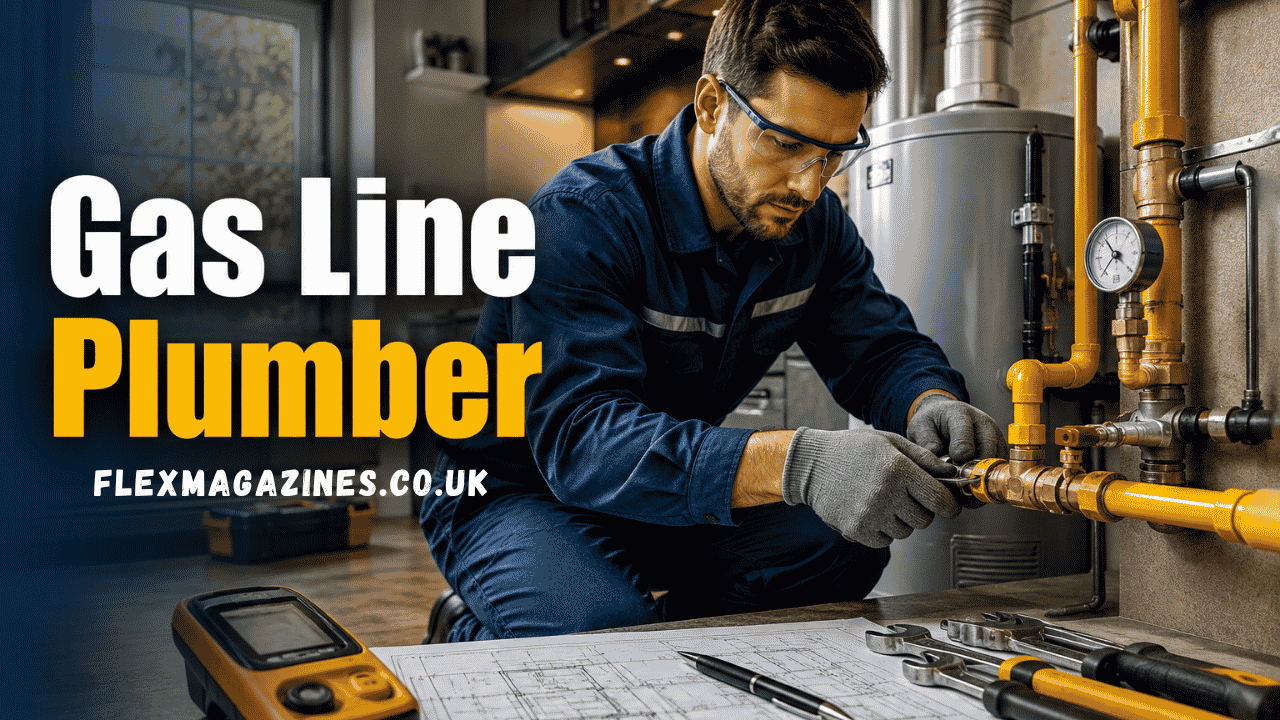
A gas line plumber specializes in working with gas piping systems that deliver natural gas or propane throughout residential properties. These professionals are trained to install, repair, replace, and inspect gas lines while following local building codes and safety standards. A gas line plumber also performs pressure testing and leak detection to ensure the system operates correctly. Their work extends to connecting gas-powered appliances and maintaining the integrity of existing pipelines.
Gas systems are different from water plumbing systems because they require extra precautions and specialized knowledge. Improper installations or repairs can lead to leaks and serious safety hazards. For this reason, many homeowners rely on a gas line plumber instead of attempting repairs themselves. Professional expertise helps reduce risks and ensures long-term performance.
Common Services Provided by Gas Professionals
Homeowners may need gas-related services for new construction, remodeling projects, or emergency situations. A licensed technician can diagnose issues and recommend the best solutions based on the condition of the system. Routine inspections and maintenance also help prevent costly repairs in the future. Working with a professional ensures that every component meets safety requirements.
Common services include:
- Gas leak detection
- Gas line repair
- Gas line replacement
- New gas pipe installation
- Propane line installation
- Appliance hookups
- Underground gas pipe repair
- Pressure testing
- Safety inspections
- Emergency gas services
These services allow homeowners to maintain a safe and reliable fuel system for daily use. Regular inspections can also identify problems before they become dangerous.
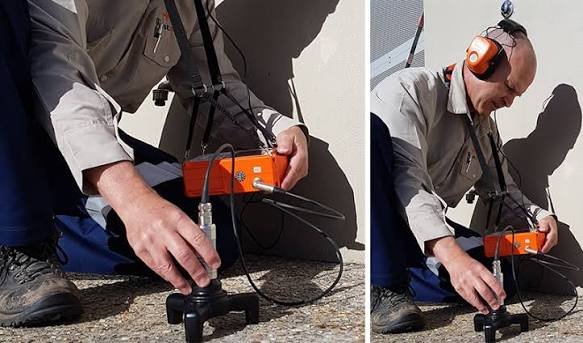
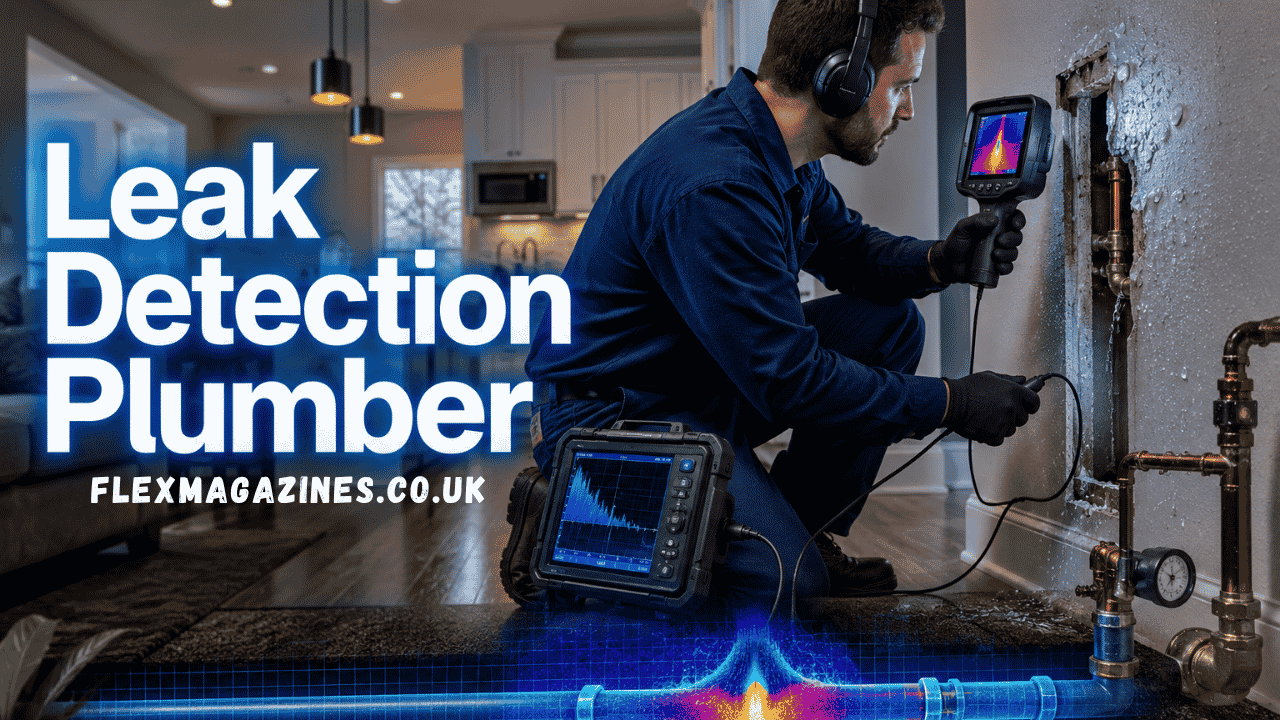
You may like also: Leak Detection Plumber: Signs, Detection Methods, Costs, and Prevention Tips
Signs That Indicate Gas Line Problems
Gas leaks and damaged pipes often show warning signs before becoming severe. Recognizing these symptoms early can prevent property damage and health risks. Homeowners should never ignore unusual odors or sounds coming from gas pipes or appliances. Contacting a gas line plumber quickly can help avoid emergencies.
Some common signs include:
- A rotten egg or sulfur smell indoors
- Hissing sounds near pipes or appliances
- Dead grass or plants above underground lines
- Higher-than-normal gas bills
- Weak or inconsistent appliance flames
- Headaches, dizziness, or nausea inside the home
These symptoms may indicate a leak or another issue that requires immediate attention. Prompt inspections can prevent accidents and costly repairs.
Appliances That Depend on Gas Lines
Many household appliances rely on properly installed gas piping to function safely. A gas line plumber can connect new appliances and inspect existing connections for leaks or wear. Proper installation ensures efficient performance and reduces the risk of fuel loss. Professional work also helps appliances meet manufacturer requirements.
Common gas-powered appliances include:
- Gas stoves and ovens
- Water heaters
- Furnaces
- Boilers
- Clothes dryers
- Fireplaces
- Pool heaters
- Outdoor grills and kitchens
As homeowners add new appliances, they may need additional piping or upgrades to accommodate increased demand. Professional planning helps ensure adequate gas flow throughout the home.
Reasons Why Gas Lines Become Damaged
Gas pipes are designed to last for many years, but they are not immune to wear and external factors. Environmental conditions and aging materials can affect their performance over time. Homeowners should understand the causes of damage to reduce the risk of unexpected failures. Regular maintenance can help identify issues before they worsen.
Several factors commonly contribute to gas line problems:
- Corrosion caused by age and moisture
- Poor installation practices
- Soil movement around underground pipes
- Tree root intrusion
- Accidental damage during construction work
- Excessive pressure inside the system
These conditions can create leaks or weaken pipe connections. Professional inspections help identify vulnerabilities before major repairs are needed.
Repairing Versus Replacing Gas Pipes
Not every gas line issue requires a complete replacement. Minor leaks or isolated damage may only require targeted repairs. A gas line plumber can evaluate the condition of the system and recommend the most cost-effective option. The decision often depends on the age and overall condition of the pipes.
Repairs are usually recommended when:
- Damage is limited to one section
- Pipes are relatively new
- Leaks are small and isolated
Replacement may be necessary when:
- Pipes are heavily corroded
- Multiple leaks are present
- The system no longer meets current codes
- Aging materials are creating recurring problems
Choosing the right solution can improve safety and reduce long-term expenses. Professional assessments help homeowners avoid unnecessary costs.
How Gas Line Installation Is Performed
Installing new gas lines requires careful planning and adherence to local regulations. Every project begins with an inspection and assessment of the property’s requirements. A gas line plumber calculates pipe sizes and determines the best route for safe installation. Proper design helps maintain consistent gas pressure throughout the system.
The installation process typically includes:
- Inspecting the property.
- Obtaining required permits.
- Determining proper pipe sizing.
- Digging trenches if underground piping is needed.
- Installing new pipes and fittings.
- Conducting pressure tests.
- Completing inspections and approvals.
- Connecting appliances safely.
Following these steps helps ensure reliable operation and code compliance. Proper installation can also extend the lifespan of the entire system.
Essential Safety Measures for Homeowners
Gas systems should always be treated with caution. Homeowners should know how to respond if they suspect a leak or notice unusual odors. Quick action can reduce risks and protect everyone inside the property. A gas line plumber should always be contacted to inspect and repair the issue.
Important safety measures include:
- Leave the building immediately if gas odors are detected.
- Avoid turning electrical switches on or off.
- Do not use matches or open flames.
- Shut off the gas supply if it is safe to do so.
- Contact emergency services if necessary.
- Arrange for professional inspections before reentering the property.
Following these precautions can prevent serious accidents. Safety should always take priority when dealing with gas systems.
Factors That Affect the Cost of Gas Line Services
The cost of repairs and installations can vary depending on several factors. Larger projects often require more labor and materials, increasing overall expenses. Emergency services and permit fees may also affect pricing. A gas line plumber can provide estimates after evaluating the property and identifying the work involved.
Several factors influence costs:
- Pipe length and size
- Type of pipe material
- Accessibility of the damaged area
- Permit and inspection fees
- Labor charges
- Emergency repair requirements
Understanding these factors allows homeowners to prepare financially before starting a project. Obtaining professional evaluations helps ensure accurate pricing.
Why Hiring a Professional Matters
Gas systems require precision and experience to ensure safe operation. Attempting repairs without proper knowledge can lead to dangerous situations and costly mistakes. Hiring a gas line plumber provides peace of mind because trained professionals follow industry standards and safety procedures. Their expertise helps maintain the efficiency and reliability of gas systems.
Professional technicians use specialized equipment to detect leaks and perform pressure tests. They also understand local regulations and building codes that apply to gas installations. This knowledge reduces the risk of violations and future problems. Investing in professional services often saves money by preventing larger issues.
Conclusion
A properly functioning gas system is essential for comfort, efficiency, and safety in modern homes. Whether installing new pipes, repairing leaks, or connecting appliances, a gas line plumber plays a critical role in maintaining dependable fuel systems. Understanding the signs of gas line problems and knowing when to seek professional help can prevent costly damage and protect household members. Regular inspections and timely repairs help ensure long-lasting performance and peace of mind.
Frequently Asked Questions
1. What does a gas line plumber do?
A gas line plumber installs, repairs, replaces, and inspects gas piping systems for residential appliances and heating equipment. They also perform leak detection and safety testing.
2. How do I know if I have a gas leak?
Common warning signs include a sulfur smell, hissing noises, dead vegetation around pipes, weak appliance flames, and unexplained health symptoms such as dizziness or nausea.
3. Can I repair a gas line myself?
Gas line repairs should always be handled by trained professionals. Attempting repairs without proper knowledge can create serious safety hazards.
4. How often should gas lines be inspected?
Many homeowners schedule inspections every few years or whenever they notice unusual odors, increased gas bills, or appliance performance issues.
5. Is replacing old gas lines better than repairing them?
Replacement may be the better option when pipes are old, corroded, or experiencing multiple leaks. A professional inspection can determine the most suitable solution.