







The business environment has changed rapidly during the last decade, and technology now sits at the center of almost every industry. From retail companies to financial institutions, organizations rely on digital systems to manage operations, communicate with customers, and improve productivity. The rise of cloud services, automation, cybersecurity solutions, and data-driven platforms has reshaped the business computing world in powerful ways. Companies are no longer investing in technology only to support daily work because computing systems now influence growth, competition, and long-term survival. As industries continue to evolve, the business computing world is becoming more connected, efficient, and data-focused than ever before.
The Growing Importance of Technology in Business Operations
Technology has become one of the strongest foundations of modern business operations. Companies use software systems to manage inventory, track sales, communicate with employees, and handle customer relationships more efficiently. Businesses that once relied heavily on paperwork and manual processes now automate large portions of their operations through digital tools. This shift has reduced human error and improved overall productivity in workplaces across the globe.
The business computing world continues to expand because organizations want faster access to information and smoother workflows. Digital platforms help businesses analyze performance data in real time and make smarter decisions based on accurate reports. Companies also use enterprise applications to improve collaboration between departments and remote teams. As competition increases across industries, businesses that fail to adopt modern computing systems often struggle to keep pace with market demands.
How Artificial Intelligence Is Changing Business Computing
Artificial intelligence has become one of the biggest developments in the business computing world. Businesses use intelligent systems to automate repetitive tasks, process customer requests, and analyze large volumes of data more quickly than humans. AI-powered tools are now integrated into customer service platforms, marketing systems, and financial software. This allows companies to improve efficiency while reducing operational costs.
Many organizations also use predictive analytics to understand customer behavior and identify future trends. AI systems can recommend products, detect unusual transactions, and assist businesses in making strategic decisions. Large enterprises are investing heavily in AI infrastructure because automation helps improve speed and accuracy across operations. The increasing use of artificial intelligence proves that the business computing world is moving toward smarter and more automated systems.
Some common business uses of artificial intelligence include:
- Customer support chat systems
- Fraud detection in banking
- Sales forecasting and analytics
- Automated email marketing
- Smart inventory management
- Employee productivity tracking
The Role of Cloud Computing in Modern Businesses
Cloud computing has completely changed how companies store and manage information. Businesses no longer need expensive physical servers to run their operations because cloud platforms provide scalable and flexible digital infrastructure. Companies can now access files, applications, and business systems from almost anywhere with an internet connection. This flexibility has become especially important for remote work environments and international business operations.
The business computing world relies heavily on cloud technology because it reduces operational costs and improves system reliability. Businesses can increase storage capacity or computing power whenever needed without investing in large hardware upgrades. Cloud systems also allow teams to collaborate in real time, making communication faster and more effective. As digital transformation continues, cloud computing remains one of the strongest pillars of modern enterprise technology.
Popular benefits of cloud computing
- Lower infrastructure costs
- Better data accessibility
- Faster business scalability
- Improved disaster recovery
- Easier software updates
- Better collaboration for remote teams
Cybersecurity Challenges Facing Businesses Today
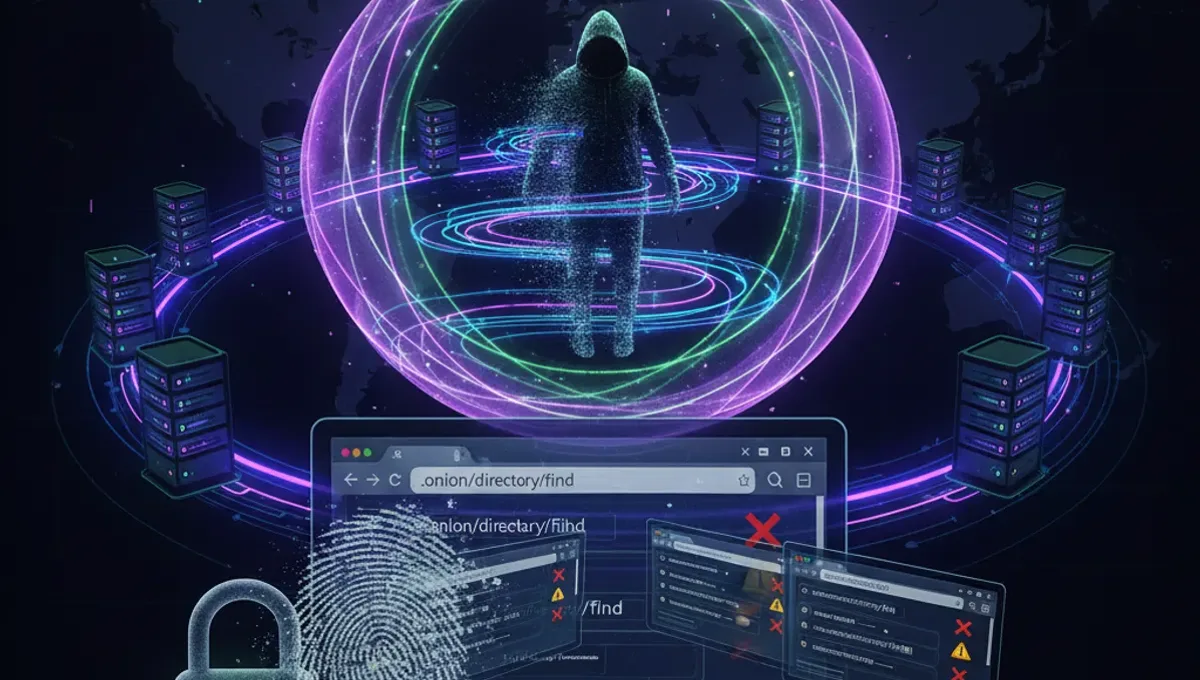
As businesses become more dependent on digital systems, cybersecurity threats continue to grow at an alarming rate. Cybercriminals target companies through ransomware attacks, phishing scams, and data breaches that can cause serious financial damage. Small businesses are often vulnerable because they lack advanced security systems and trained IT teams. Large corporations also face constant threats because hackers target valuable customer and financial data.
The business computing world now treats cybersecurity as a critical part of business strategy rather than a secondary technical issue. Companies invest heavily in firewalls, encryption systems, employee training, and threat monitoring tools to protect sensitive information. Many organizations also adopt zero-trust security models that require continuous identity verification for users and devices. Strong cybersecurity practices are now necessary for maintaining customer trust and business stability.
Automation and Workflow Improvements in Enterprises
Automation is helping businesses complete repetitive tasks more efficiently while improving operational accuracy. Companies use workflow automation software to manage invoices, approvals, customer communication, and scheduling tasks. This reduces the need for manual intervention and allows employees to focus on more valuable responsibilities. Businesses that implement automation systems often experience higher productivity and reduced operational delays.
The business computing world is increasingly centered around intelligent workflow systems that improve performance across departments. Automation tools also help businesses maintain consistency in customer service and data processing. Many organizations integrate automated systems with customer relationship management software to streamline sales and support operations. As automation technology improves, businesses are expected to rely even more on digital workflows in the future.
Hybrid Cloud and Multi-Cloud Strategies
Businesses are moving beyond traditional cloud systems and adopting hybrid cloud strategies to gain better control over their operations. A hybrid cloud model combines private infrastructure with public cloud services, giving companies greater flexibility and security. This approach helps organizations protect sensitive data while still benefiting from scalable cloud solutions. Many enterprises prefer hybrid systems because they balance performance, cost management, and compliance requirements.
The business computing world has also seen a rise in multi-cloud strategies where companies use multiple cloud providers for different workloads. Businesses avoid depending on a single provider and improve system reliability through diversified cloud environments. This strategy allows organizations to choose specialized services from different platforms based on their operational needs. As businesses continue expanding digital operations, hybrid and multi-cloud systems are becoming standard enterprise practices.
The Rise of Data-Driven Decision Making
Modern businesses rely heavily on data to guide strategic decisions and improve performance. Companies collect information from websites, mobile applications, customer interactions, and sales platforms to understand market trends and consumer behavior. Data analytics tools help organizations identify opportunities, predict risks, and measure operational efficiency. Businesses that use data effectively often gain a stronger competitive advantage in their industries.
The business computing world continues to evolve because companies recognize the value of accurate and timely information. Business intelligence platforms provide visual dashboards and real-time reports that simplify complex data analysis. Organizations use analytics to improve marketing campaigns, optimize pricing strategies, and enhance customer experiences. Data-driven decision making has become an essential part of modern enterprise management.
Common business areas using analytics
- Marketing performance analysis
- Customer behavior tracking
- Supply chain optimization
- Financial forecasting
- Employee performance monitoring
- Product demand prediction
Enterprise Software and Digital Transformation
Enterprise software solutions play a major role in helping organizations manage complex operations. Businesses use enterprise resource planning systems, customer relationship management platforms, and project management tools to coordinate daily activities more effectively. These applications improve communication between departments and reduce operational inefficiencies. Companies adopting integrated software systems often experience smoother workflows and better business performance.
Digital transformation continues to shape the business computing world because businesses want faster and more efficient operations. Organizations are replacing outdated systems with modern cloud-based platforms that support scalability and remote access. Companies also invest in digital tools to improve customer engagement and simplify business processes. As industries become increasingly digital, enterprise software will remain essential for long-term growth and operational success.
The Future of Business Computing Technologies
The future of the business computing world will likely involve even greater automation, advanced analytics, and intelligent infrastructure. Emerging technologies such as edge computing, quantum computing, and AI-driven platforms are expected to influence enterprise systems in significant ways. Businesses are preparing for a future where real-time processing and predictive systems become standard operational requirements. Companies that adapt early to technological changes may gain stronger competitive advantages.
Technology investments will continue increasing because businesses depend on digital systems for growth and innovation. Organizations are expected to focus more on cybersecurity, data privacy, and sustainable computing infrastructure in the coming years. Remote work technologies and digital collaboration platforms will also remain important for modern workplaces. The business computing world is evolving rapidly, and businesses must stay flexible to succeed in this changing environment.
Conclusion
The business computing world has transformed how companies operate, compete, and grow in the modern economy. Technologies such as artificial intelligence, cloud computing, cybersecurity systems, automation tools, and enterprise software now play a central role in business success. Organizations across industries are investing heavily in digital infrastructure to improve efficiency, reduce costs, and strengthen customer experiences. Businesses that embrace innovation are often better prepared for future challenges and market changes.
As technology continues advancing, the business computing world will become even more connected and intelligent. Companies will rely more on automation, real-time analytics, and secure digital environments to maintain competitiveness. Businesses that understand these changes and adapt quickly will have stronger opportunities for long-term growth. The future of enterprise technology will continue shaping industries and redefining how organizations function in an increasingly digital world.
FAQs
What is business computing world?
Business computing world refers to the use of computing technologies, software systems, cloud services, and digital infrastructure within modern business operations to improve productivity and efficiency.
Why is cloud computing important for businesses?
Cloud computing helps businesses reduce infrastructure costs, improve data accessibility, support remote work, and scale operations more efficiently.
How does artificial intelligence help businesses?
Artificial intelligence helps businesses automate tasks, analyze data, improve customer service, detect fraud, and increase operational efficiency.
What are the biggest cybersecurity threats for businesses?
Common cybersecurity threats include ransomware attacks, phishing scams, malware infections, and unauthorized data breaches.
Why is automation important in the business computing world?
Automation improves business efficiency by reducing repetitive manual tasks, increasing accuracy, and helping employees focus on higher-value responsibilities.