







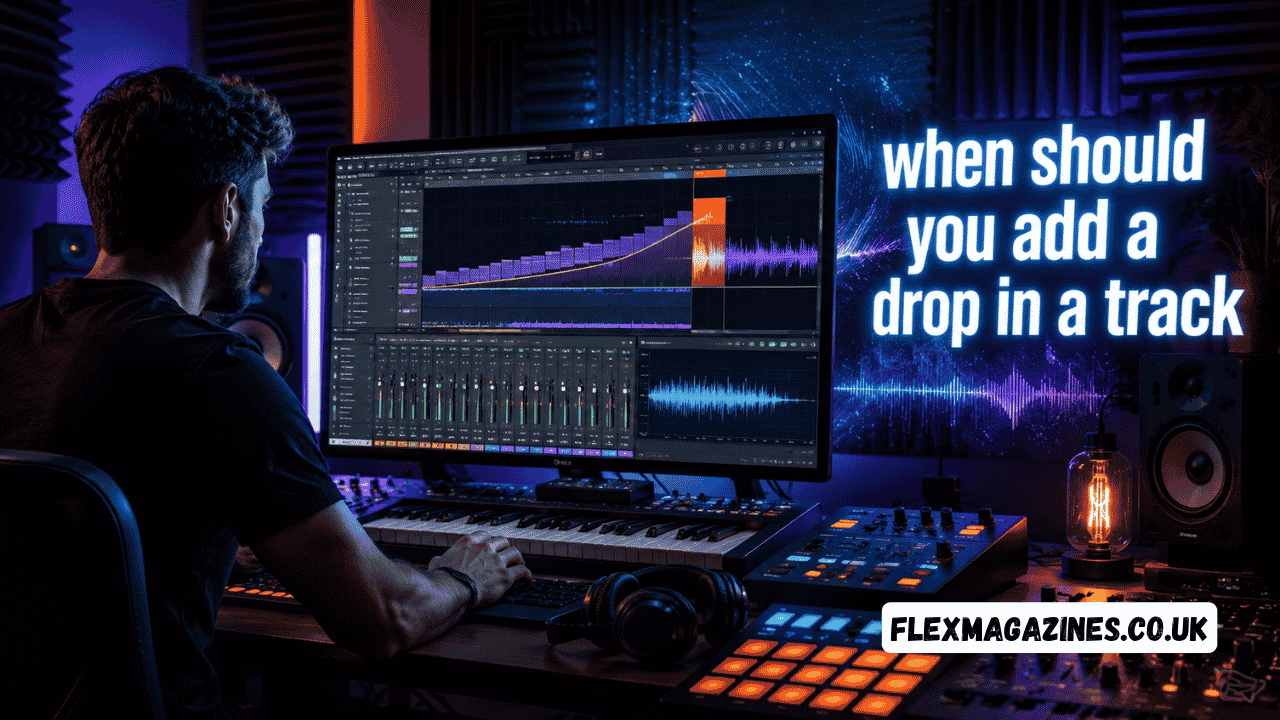
Music producers spend a lot of time trying to understand when should you add a drop in a track because the drop often becomes the most memorable moment in an electronic song. A well-placed drop creates excitement, movement, and emotional payoff for listeners. If the timing feels wrong, the entire arrangement can sound rushed or boring even if the sounds themselves are good. This is why experienced producers pay close attention to tension, pacing, and transitions before introducing the main drop. Understanding when should you add a drop in a track can improve both the energy and replay value of a song.
Understanding the Purpose of a Drop in Music
A drop is the section where built-up tension finally releases into a stronger rhythm, bassline, or melody. In EDM, trap, dubstep, and house music, the drop often replaces the traditional chorus found in pop songs. The listener spends time waiting for that release, which is why the buildup before it matters so much. Producers use risers, drum rolls, automation, and silence to guide the audience toward the drop naturally. Knowing when should you add a drop in a track starts with understanding the emotional role the drop plays inside the arrangement.
The drop is not only about loud sounds or heavy bass. It also creates contrast between calmer sections and high-energy moments. When producers remove instruments before the drop, the impact becomes stronger once the beat returns. Some tracks use melodic drops while others rely on aggressive sound design and rhythm changes. No matter the genre, the drop should feel earned rather than randomly inserted into the song.
Why Timing Matters Before a Drop
The timing of the drop can completely change how listeners react to a track. If the drop arrives too quickly, there is no suspense and the energy feels flat. If it comes too late, the audience may lose interest before the exciting part begins. Producers constantly test different arrangements to discover when should you add a drop in a track without damaging the flow of the music. The right timing keeps the listener engaged from beginning to end.
Most electronic tracks follow predictable structures because listeners naturally respond to repeated patterns. Producers often place drops after 16 or 32 bars because these sections feel balanced and easy to follow. Club DJs also prefer structured arrangements since they make transitions smoother during live sets. Timing becomes even more important when producing tracks for festivals or dance floors. A strong arrangement allows the drop to hit harder without sounding forced.
Common Song Structures Used Before a Drop
Different genres handle drops in different ways, but many producers still rely on familiar arrangement patterns. Understanding these structures helps answer the question of when should you add a drop in a track for maximum effect. A basic EDM arrangement usually begins with an intro, followed by a buildup, then the drop itself. After the first drop, producers often introduce a breakdown before repeating the process with a second drop.
Here are some common structures producers use:
- 16-bar intro followed by a 16-bar buildup
- 32-bar buildup before the first major drop
- Short 8-bar buildups in trap music
- Extended tension sections in progressive house
- Groove-focused transitions in tech house
Many festival EDM tracks delay the drop slightly longer because the anticipation creates a stronger crowd reaction. On the other hand, trap and bass music may introduce the drop earlier to maintain aggressive momentum. Producers who understand genre expectations usually make better arrangement decisions.
Signs That a Track Is Ready for the Drop
One of the biggest mistakes beginners make is forcing the drop too early. The buildup should create enough tension so the listener expects something exciting to happen next. Producers use repeated melodies, filtered drums, and rising effects to signal that the drop is approaching. These techniques help answer when should you add a drop in a track without relying on random timing decisions. The audience should almost feel the drop coming before it actually arrives.
Several signs usually indicate that a drop is ready:
- Drum patterns become more intense
- Snare rolls increase in speed
- Automation raises energy gradually
- Bass frequencies temporarily disappear
- Melodies repeat to build anticipation
Silence before the drop can also increase impact. Many producers cut all sounds for a brief moment right before the main section hits. That tiny pause creates tension and makes the return of the drums feel much bigger. This technique is common in dubstep, future bass, and festival house tracks.
How Different Genres Use Drops
Every genre approaches drops differently because each style targets a different emotional response. Producers trying to learn when should you add a drop in a track should study the structure of songs within their chosen genre. Dubstep usually focuses on aggressive bass changes and sudden impact. Future bass uses emotional chords and melodic energy to create uplifting drops. Tech house often avoids huge dramatic drops and instead introduces subtle groove variations.
House music relies heavily on rhythm and repetition. Instead of massive tension builds, producers create movement through drum changes and layered percussion. Drum and bass tracks often place drops after long atmospheric intros because the fast tempo already provides natural energy. Trap music may use quick transitions and beat switches rather than extended buildups. Genre awareness helps producers avoid arrangements that feel unnatural.
Mistakes That Make Drops Feel Weak
Many drops fail because the buildup creates more energy than the drop itself. If the pre-drop section becomes too crowded, the actual payoff feels disappointing. Producers who understand when should you add a drop in a track also understand the importance of contrast. The drop should introduce something new instead of repeating the same energy level from the buildup. Without contrast, listeners lose excitement quickly.
Here are common mistakes producers should avoid:
- Overusing risers and effects
- Making buildups too long
- Adding too many instruments before the drop
- Using weak kick drums
- Repeating the same melody without variation
Another major problem happens when producers reveal the main drop melody too early. If listeners already hear everything during the buildup, the drop loses impact. A better approach is teasing parts of the melody while saving the strongest elements for the main section. This creates curiosity and emotional release at the same time.
Building Tension Before the Drop
Tension is one of the most important parts of electronic music arrangement. Producers who know when should you add a drop in a track spend time shaping the buildup carefully instead of rushing toward the climax. Tension can come from automation, volume changes, layering, or even silence. Each small adjustment increases listener anticipation and prepares the audience for the release.
A good buildup usually evolves every few bars. Producers may add percussion gradually, increase white noise effects, or automate filters to create movement. Repetition also plays a major role because familiar patterns build expectation naturally. When listeners recognize a repeating phrase, they subconsciously prepare for change. This psychological effect makes the drop feel stronger once it finally arrives.
Should Producers Build the Drop First
Many experienced producers begin tracks by creating the drop first. This method helps establish the song’s identity early in the production process. Once the drop sounds strong, it becomes easier to build the intro and buildup around it. Producers searching for when should you add a drop in a track often discover that starting with the drop simplifies arrangement decisions later. The entire track begins to revolve around that central moment.
Other producers prefer building songs from beginning to end naturally. They start with chords, melodies, or drum grooves before eventually reaching the drop. Both methods can work depending on workflow and genre. However, starting with the drop helps many electronic producers stay focused on the most important section of the track. It also prevents weak arrangements built around weak ideas.
How Professional Producers Keep Listeners Engaged
Professional producers understand that energy should constantly evolve throughout a track. Even after the first drop, the arrangement must continue changing to avoid becoming repetitive. Small transitions, new percussion layers, and variation in melody help maintain momentum. Producers who understand when should you add a drop in a track also know how to keep the energy moving afterward. The drop is important, but the surrounding arrangement matters just as much.
Many successful tracks introduce a second drop with extra elements or different drum patterns. This keeps the song fresh while still sounding familiar. Some producers shorten the first drop intentionally so listeners want more later in the track. Others create fake drops where the expected impact is delayed for dramatic effect. These techniques keep audiences emotionally connected from start to finish.
Conclusion
Understanding when should you add a drop in a track is one of the most valuable skills a music producer can develop. A drop works best when it follows proper tension, pacing, and emotional buildup. The timing should feel natural instead of forced, allowing the listener to anticipate the release without losing interest. Producers who study arrangement structures and genre differences usually create stronger and more memorable tracks.
The best drops are not simply loud or aggressive. They create emotional payoff through contrast, buildup, and smart timing choices. Whether producing EDM, trap, house, or drum and bass, learning when should you add a drop in a track helps shape the overall listening experience. Strong arrangements make songs feel exciting, balanced, and replayable for audiences across every genre.
FAQs
1. When should you add a drop in a track for EDM music?
Most EDM tracks place the first major drop after 16 or 32 bars depending on the song structure and energy level.
2. Why does timing matter before a drop?
Timing controls listener anticipation. A drop that arrives too early or too late can reduce emotional impact and weaken the arrangement.
3. How long should a buildup be before the drop?
Most buildups last between 8 and 32 bars depending on genre, tempo, and production style.
4. Can a track have multiple drops?
Yes, many electronic tracks use two or more drops with variations in melody, drums, or energy to keep listeners engaged.
5. What makes a drop sound more powerful?
Good contrast, proper tension, strong drums, silence before impact, and controlled arrangement choices all help create stronger drops.