






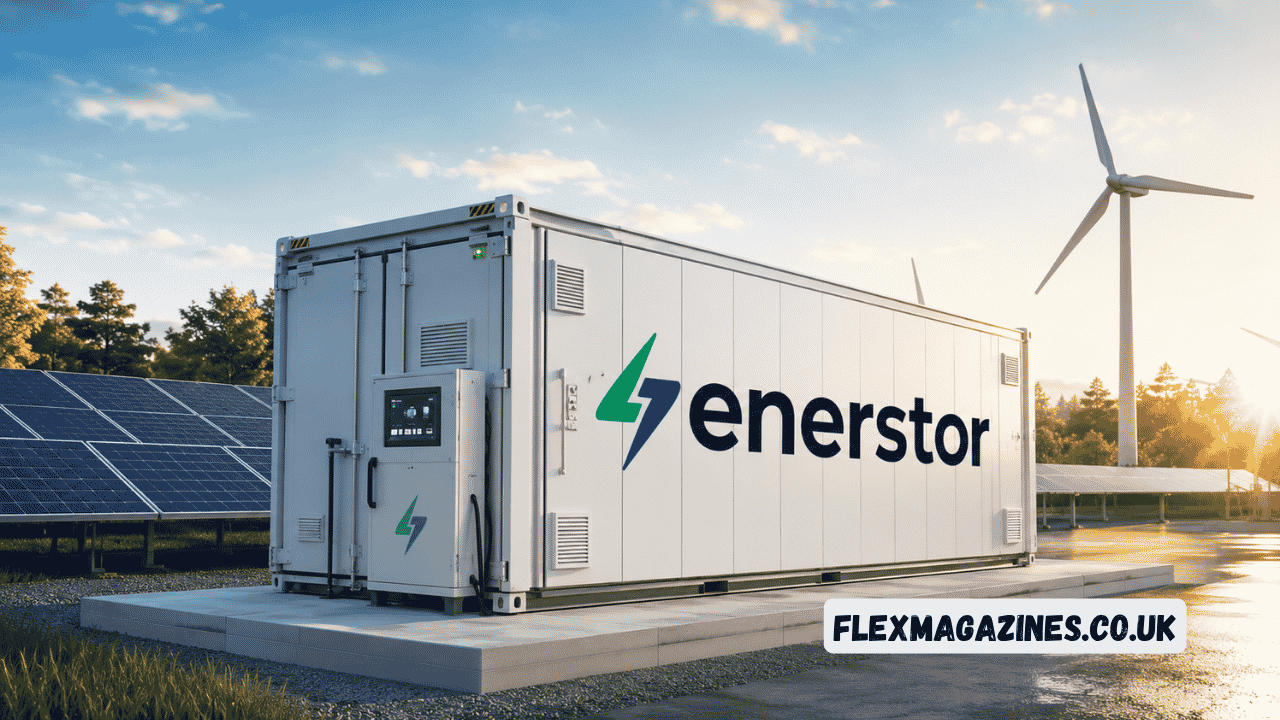
Energy systems are changing faster than most people realize, and the word enerstor has started appearing in discussions around modern battery storage and renewable power infrastructure. At its core, enerstor is associated with energy storage technologies that support solar, wind, and hybrid power systems. These systems are designed to store electricity when supply is high and release it when demand increases. The idea may sound simple, but it sits at the center of how future electricity grids will function. In recent years, enerstor has also been linked with new business brands entering the energy storage market. This makes it an important keyword when understanding where global energy systems are heading.
Understanding enerstor in the modern energy landscape
The concept of enerstor is closely tied to battery energy storage systems, which are becoming essential for balancing electricity supply. Traditional power grids rely heavily on constant production from fossil fuels, but renewable energy sources like solar and wind are unpredictable. This creates gaps between production and consumption, which enerstor-based systems help to solve. By storing excess energy during peak production hours, these systems ensure electricity is available even when natural conditions change. As renewable adoption increases, enerstor becomes more relevant in both industrial and residential settings.
Another important aspect of enerstor is its role in improving energy efficiency across different sectors. Large industries, data centers, and utility providers are now investing in storage solutions to reduce energy waste. These systems allow businesses to manage electricity usage more strategically and avoid high peak-time costs. In many cases, enerstor solutions also act as backup power sources during outages. This dual function makes them both practical and economically valuable.
How enerstor technology supports battery energy storage systems
At the technical level, enerstor relates to systems that store electrical energy using advanced battery technologies. These systems typically rely on lithium-ion batteries, which offer high energy density and long cycle life. The stored electricity is converted from direct grid power or renewable sources and kept for later use. When demand rises, the system releases energy back into the grid or local network. This continuous cycle helps stabilize electricity flow and prevents overloads.
Modern enerstor systems also include smart software that manages energy distribution. These control systems decide when to store power and when to release it based on demand patterns. This automation improves efficiency and reduces manual intervention. In addition, enerstor technology is increasingly being integrated with artificial intelligence systems to predict energy usage more accurately. The combination of hardware and software makes these systems highly adaptable for future energy needs.
The role of enerstor in renewable energy expansion
Renewable energy growth depends heavily on reliable storage solutions, and enerstor plays a key role in this transition. Solar panels generate power during daylight hours, while wind turbines depend on weather conditions. Without storage systems, a large portion of this energy would go unused. enerstor helps capture this excess electricity and makes it available when production drops. This creates a more stable and reliable energy supply.
The increasing demand for clean energy has pushed governments and private companies to invest in storage infrastructure. enerstor-based solutions are being used in both large-scale solar farms and small residential setups. This flexibility allows different users to benefit from energy storage depending on their needs. In rural areas, enerstor systems also help provide electricity where grid access is limited. This improves energy access and reduces dependence on diesel generators.
Business growth and industrial adoption of enerstor systems
The commercial interest in enerstor has grown significantly due to rising electricity costs and energy security concerns. Companies are now using storage systems to reduce operational expenses and improve reliability. Factories, warehouses, and tech companies benefit from storing energy during low-cost periods and using it during peak hours. This strategy is commonly known as peak shaving. It helps businesses maintain stable energy budgets over time.
Industries are also adopting enerstor solutions for sustainability goals. Many companies are under pressure to reduce carbon emissions and transition to cleaner energy sources. By integrating storage systems with renewable energy, businesses can reduce their reliance on fossil fuels. Some key advantages for industrial users include:
- Reduced electricity bills through optimized energy usage
- Improved backup power during outages
- Better integration with renewable energy sources
- Lower environmental impact and emissions
- Increased energy independence
These benefits make enerstor systems an attractive long-term investment for industrial operations.
enerstor and the rise of smart energy infrastructure
Energy infrastructure is becoming more digital and automated, and enerstor systems are a major part of this transformation. Smart grids now rely on real-time data to manage electricity distribution efficiently. enerstor units feed into this system by storing and releasing power based on grid demand. This reduces pressure on traditional power plants and improves system stability.
One of the key developments in this area is the integration of energy storage with smart meters and monitoring systems. These tools allow users to track energy consumption and optimize usage patterns. enerstor technology is also being used in microgrid systems, where small communities or facilities operate independently from the main grid. This increases resilience during natural disasters or grid failures. Over time, enerstor is expected to become a core component of decentralized energy systems.
Challenges and limitations of enerstor technology
Despite its advantages, enerstor systems still face several challenges that limit widespread adoption. One of the main issues is the high initial cost of installation. Battery systems require significant investment, especially for large-scale projects. Maintenance and replacement costs can also add to the financial burden over time. These factors make it difficult for smaller businesses and households to adopt the technology immediately.
Another challenge is related to battery lifespan and environmental concerns. While lithium-ion batteries are efficient, they degrade over time and require proper disposal or recycling. There are also concerns about raw material sourcing and supply chain limitations. In addition, energy storage efficiency can vary depending on system design and usage patterns. These challenges highlight the need for continued innovation in enerstor-related technologies.
Future outlook of enerstor in global energy systems
The future of enerstor is closely tied to global energy transition efforts. As countries move toward carbon neutrality, energy storage will become essential for maintaining grid stability. New battery technologies, such as solid-state batteries and flow batteries, are expected to improve performance and safety. These advancements will likely reduce costs and increase adoption rates over time.
Another major trend is the expansion of distributed energy systems. Instead of relying on centralized power plants, future grids will consist of multiple interconnected energy sources and storage units. enerstor systems will play a key role in managing this decentralized structure. This shift will make energy systems more flexible and resilient.
Conclusion
The concept of enerstor represents a major shift in how energy is stored, managed, and distributed. It connects directly to the rise of renewable energy and the need for more stable power systems. From industrial applications to residential use, enerstor solutions are shaping the future of electricity infrastructure. While challenges like cost and battery limitations still exist, ongoing innovation continues to improve efficiency and accessibility. As energy demand grows worldwide, enerstor will remain a key part of building a more reliable and sustainable energy future.
FAQs
What is enerstor in simple terms
enerstor refers to energy storage systems that store electricity for later use, especially in renewable energy setups like solar and wind systems.
How does enerstor help renewable energy
It stores excess energy produced during high generation periods and releases it when production is low, improving stability and reliability.
Is enerstor used in homes or only industries
It is used in both. Homes use smaller battery systems, while industries and power plants use large-scale storage solutions.
What technology is used in enerstor systems
Most systems rely on lithium-ion batteries combined with smart energy management software to control storage and distribution.
Why is enerstor important for the future
It supports clean energy adoption, reduces dependence on fossil fuels, and helps build more stable and efficient power grids.