








Sleep is not merely a biological necessity; it is a complex physiological process that dictates our cognitive function, emotional stability, and physical recovery. Among the various stages of sleep, Rapid Eye Movement (REM) sleep stands out as the most critical phase for memory consolidation and brain health. However, achieving uninterrupted REM sleep is frequently compromised by environmental factors, with bed dimensions playing a surprisingly pivotal role. When sleep is repeatedly interrupted by physical constraints, tossing, turning, or a partner’s movements, the sleep cycle resets, depriving the brain of essential restorative cycles. Understanding the profound correlation between the spatial environment of your sleep setup and the quality of your rest is the first step toward optimizing your nightly recovery.
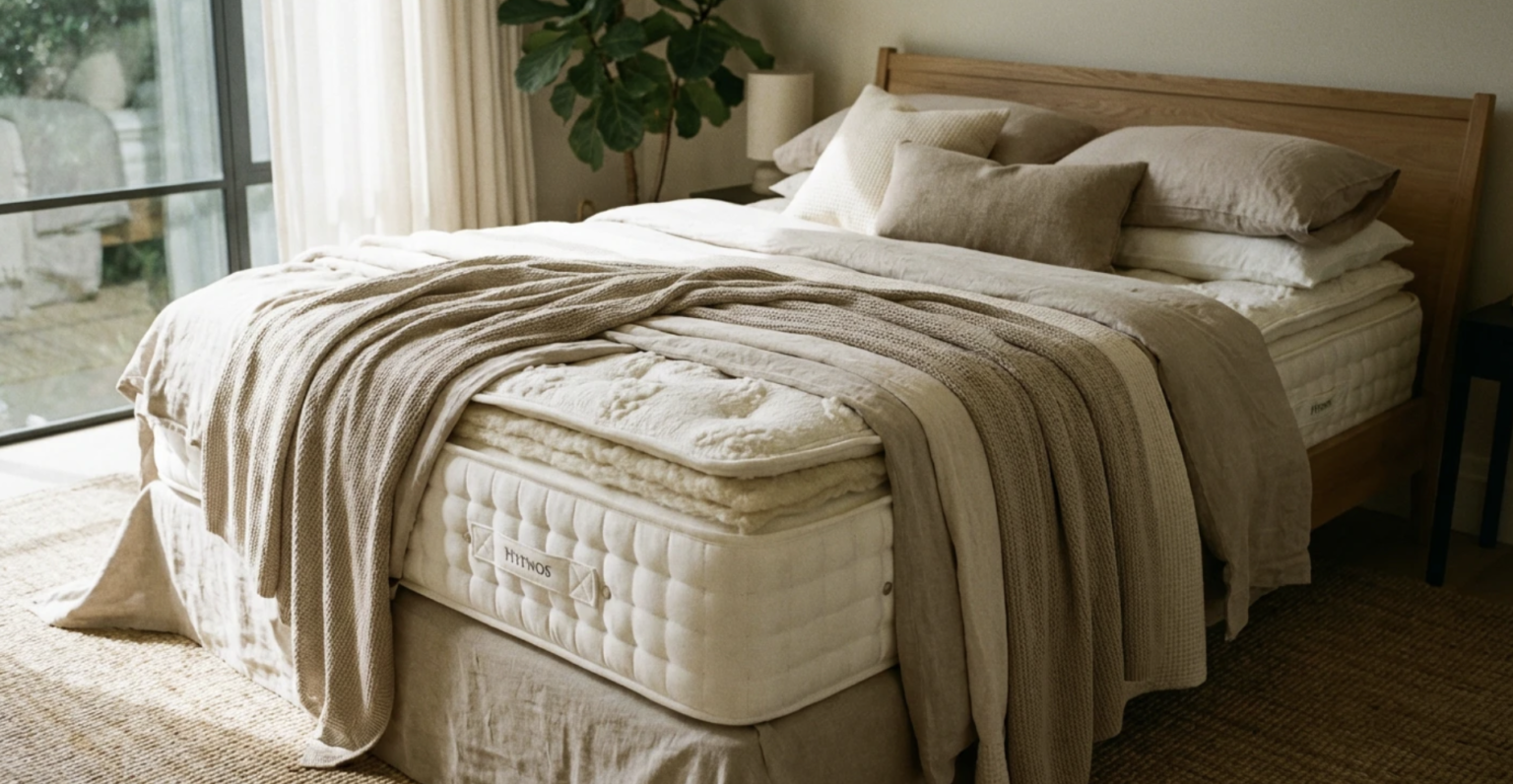
For couples, standard bed sizes often fail to provide the necessary personal sleep real estate required to prevent microscopic awakenings. Every shift in position risks disturbing both individuals, severing the delicate continuity of the REM cycle. By expanding your sleeping surface, you significantly reduce motion transfer and positional restriction. This is exactly why sleep experts frequently recommend evaluating your current bed dimensions. Investing in a hypnos king size mattress transforms your sleeping environment from a cramped, disruptive space into an expansive sanctuary. A larger, expertly crafted mattress allows for the unrestricted physiological movements necessary to sustain deep, restorative sleep throughout the entire night.
The Science of REM Sleep and Spatial Needs
Rapid Eye Movement sleep typically begins about 90 minutes after you drift off. During this stage, your brain activity increases, resembling wakefulness, while your body enters a temporary state of muscle paralysis. This paralysis is entirely normal and prevents you from acting out your dreams. However, the transition into and out of REM sleep requires physical comfort and uninterrupted stillness. If you are sleeping on a mattress that is too small, your limbs may subconsciously hit the edge of the bed or your partner. These minor physical collisions send alert signals to your brain, pulling you out of the REM phase and back into lighter sleep stages, effectively ruining the cycle’s continuity.
How Mattress Dimensions Dictate Sleep Quality
To understand the impact of bed size, we must look at basic spatial mathematics. A standard double bed gives two adults roughly the same width of sleeping space as a baby in a crib. It is an astonishingly narrow allowance for full-grown adults who naturally shift positions 10 to 20 times per night. When confined to a restrictive width, the body adopts unnatural, tense postures to avoid falling out of bed or encroaching on a partner’s side. This sustained muscle tension completely contradicts the profound relaxation required for uninterrupted sleep cycles, keeping the nervous system slightly elevated instead of fully resting.
The Problem with Motion Transfer
Motion transfer is the enemy of shared sleep. It refers to the ripple effect felt across the mattress when one person moves. In smaller beds, the proximity of sleepers means that even the slightest adjustment in posture is transmitted directly to the other person. High-quality sleep requires an environment free from these tactile disruptions. Expanding the dimensions of your sleeping surface inherently mitigates this issue. A larger bed provides more distance between sleepers, allowing localized pocket springs to absorb movement independently. This spatial buffer is crucial for preventing a partner’s restlessness from hijacking your REM sleep, allowing both individuals to navigate their sleep cycles independently and without structural interference.
Why Upgrade to Premium Craftsmanship?
Dimension alone is not the sole factor in achieving perfect rest; the structural integrity and materials of the bed are equally paramount. Upgrading to a larger size offers the spatial freedom required, but combining that size with elite craftsmanship guarantees the physiological support your body craves. Luxury mattresses utilize advanced pocket spring technology that contours to your specific body shape, relieving pressure points that often trigger nocturnal tossing and turning. By eliminating these physical discomforts, you drastically reduce the frequency of positional shifts, creating a stable, motionless environment that is highly conducive to sustaining long, uninterrupted periods of deep restorative sleep.
Temperature Regulation and Spatial Dynamics
Another often-overlooked benefit of upgrading your bed dimensions relates to thermoregulation. Your core body temperature must drop slightly to initiate and maintain sleep. In a cramped bed, body heat is easily trapped between partners, leading to microclimate overheating. This thermal discomfort acts as a powerful stimulant, forcing the brain to wake up and adjust the sleeping environment by throwing off covers or moving around. A king-size bed increases the surface area for heat dissipation. Coupled with breathable, natural materials often found in premium mattresses, the wider dimensions facilitate superior airflow, keeping your core temperature perfectly balanced for optimal sleep continuity.
Final Thoughts
Achieving consistent, high-quality rest is not a luxury; it is a fundamental requirement for a healthy, productive life. The dimensions of your bed dictate the physical boundaries of your recovery environment. When you remove spatial constraints, you eliminate a major catalyst for sleep disruption, safeguarding the fragile continuity of your REM cycles. Upgrading your sleep surface is a direct investment in your physical health, mental clarity, and emotional resilience. By choosing expansive dimensions and superior structural support, you are setting the stage for decades of transformative, uninterrupted sleep, ensuring you wake up fully recharged and ready to face the demands of the day.
Frequently Asked Questions (FAQs)
1. How does a larger mattress specifically improve REM sleep?
A larger mattress minimizes the risk of physical disturbances, such as bumping into a partner or reaching the edge of the bed. By eliminating these tactile interruptions, your brain can successfully transition through the natural sleep stages and sustain the deep REM phases without being jolted back into lighter sleep.
2. Is the upgrade to a king-size bed worth it if I sleep alone?
Yes. Even solitary sleepers benefit from the expansive surface area. It allows for complete postural freedom, meaning you can stretch out fully without limbs hanging off the edge. This unrestricted movement prevents muscle tension and joint stiffness, both of which can cause micro-awakenings throughout the night.
3. What role does mattress breathability play in sleep continuity?
Temperature fluctuations are a major cause of sleep disruption. Breathable materials allow excess body heat to dissipate rather than becoming trapped in the fibers. Maintaining a cool, stable microclimate helps your core body temperature remain at the optimal level required for uninterrupted, deep restorative rest.
4. How does motion transfer affect my sleep cycle?
When a partner moves, the kinetic energy travels across the bed. If this movement reaches you, it can pull you out of a deep sleep stage. Advanced pocket spring systems in larger beds localize this movement, preventing the kinetic energy from traveling and disrupting your independent sleep cycle.
5. How often should I consider upgrading my mattress for optimal health?
Generally, it is recommended to evaluate your mattress every 7 to 10 years. Over time, materials degrade, losing their ability to provide adequate spinal support and pressure relief. Upgrading ensures you consistently sleep on a surface that actively supports your body’s nightly recovery needs and structural alignment.