







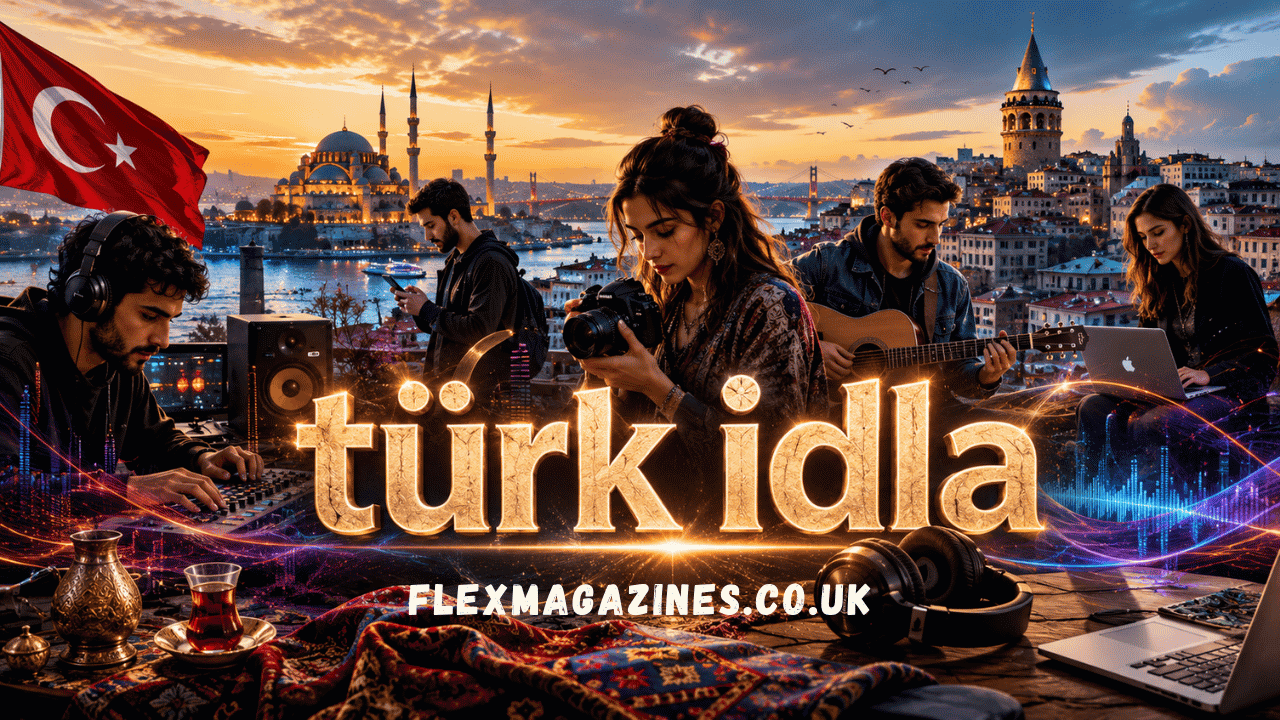
The phrase türk idla has gained attention among people searching for unique terms connected with Turkish culture, online trends, and modern identity. Although the term does not have a widely accepted academic definition, it is often associated with digital communities, creative expression, and the changing face of Turkish culture. Many people come across türk idla through online discussions, social media posts, and emerging content shared by creators. This growing interest has made the topic worth exploring in greater detail. Understanding its context helps explain why more people are searching for it today.
Understanding the Meaning Behind türk idla
The exact meaning of türk idla remains open to interpretation because it is not tied to a single historical event or official concept. Instead, the term has been linked to ideas surrounding Turkish identity and the way culture evolves in the digital era. As online communities expand, new phrases often emerge and develop meanings based on how people use them. In many discussions, türk idla is viewed as a symbol of creativity and cultural connection. Its flexible nature allows different groups to interpret it in their own way.
The interest surrounding the term reflects how language and culture continue to adapt over time. Words and phrases that begin in online spaces often gain popularity through social interaction. This process creates new forms of cultural expression that appeal to younger audiences. People searching for türk idla are often curious about its origins and its place in modern society. The term has become part of conversations about identity and digital culture.
Origins and Development of the Term
The Rise of Internet Culture
Modern internet culture has introduced countless new phrases and ideas. Communities across social platforms often create unique terms that spread quickly among users. In the case of türk idla, the phrase appears to have gained visibility through discussions related to Turkish identity and creativity. Online trends have the power to transform unfamiliar words into widely recognized topics. This process helps explain why interest in the phrase continues to grow.
Cultural Influences Behind the Expression
Culture plays a major role in shaping language and communication. Turkish traditions have always combined historical influences with contemporary lifestyles. As younger generations embrace digital platforms, they create expressions that reflect their experiences and values. Many observers believe türk idla represents this blend of old and new influences. The term captures the spirit of cultural evolution in a connected world.
Why People Are Searching for türk idla
Interest in unique phrases often increases when they appear on social media or within creative communities. Curiosity encourages people to search for unfamiliar terms and learn about their background. As discussions continue, the phrase becomes more visible to a wider audience. This pattern has contributed to the growing popularity of türk idla. Search trends show that people are interested in understanding what the term represents.
Several factors contribute to this increasing attention:
- Curiosity about Turkish culture and identity.
- Exposure through social media platforms.
- Interest in modern digital communities.
- Discussions among content creators and influencers.
- Growing awareness of emerging cultural expressions.
These factors have helped transform the phrase from a niche topic into something that attracts broader interest. People often search for explanations because they want to understand its relevance. The ongoing discussion surrounding türk idla continues to add to its visibility. As awareness grows, more individuals become interested in its meaning and significance. This cycle keeps the topic active in online conversations.
The Relationship Between türk idla and Turkish Culture
Culture is constantly evolving, and modern communication plays an important role in that process. Traditional customs remain important, but digital communities have created new ways for people to express themselves. Many see türk idla as part of this transformation. The phrase reflects how culture can adapt while still maintaining a connection to its roots. This balance between tradition and innovation defines much of contemporary Turkish society.
Traditional Values and Modern Perspectives
Turkish culture has long been known for its rich heritage and strong sense of identity. Music, literature, art, and social customs have shaped generations of communities. At the same time, younger people have embraced new forms of communication and creative expression. These developments create opportunities for fresh ideas and unique trends. Discussions surrounding türk idla often highlight this combination of heritage and modern perspectives.
Elements Commonly Associated With the Topic
People who discuss the phrase frequently connect it with several themes:
- Identity and belonging.
- Creativity and artistic expression.
- Social media communities.
- Modern Turkish lifestyles.
- Digital communication and trends.
These themes demonstrate how cultural identity continues to evolve. They also explain why emerging phrases attract public attention. The concept behind türk idla resonates with people who value both tradition and innovation. This combination has contributed to its growing popularity.
Social Media and Creative Communities
Social media has changed the way people share ideas and build communities. Content creators have introduced new trends that spread rapidly among audiences around the world. Through videos, discussions, and creative projects, users contribute to the popularity of unique expressions. In this environment, türk idla has become part of broader conversations about identity and creativity. Online engagement continues to shape the way people understand the term.
Creators often use digital platforms to celebrate culture and connect with audiences. These interactions encourage the exchange of ideas and perspectives. Communities formed around shared interests help keep conversations active. As participation increases, phrases that were once unfamiliar become recognized by larger groups. This process has played a role in maintaining interest in türk idla.
Connections With Music and Artistic Expression
Art and music have always been powerful tools for cultural storytelling. Turkish artists have combined traditional influences with modern styles to create distinctive forms of expression. This blend reflects the diversity and creativity found throughout the country. Discussions involving türk idla often highlight these artistic connections. The phrase is sometimes associated with the creative spirit found in contemporary culture.
Musicians, designers, and content creators contribute to this evolving landscape. Their work helps preserve cultural traditions while introducing fresh ideas. This balance encourages innovation without losing historical identity. As a result, artistic communities continue to influence cultural conversations. The growing interest in türk idla reflects this creative environment.
Common Misunderstandings About the Term
Because the phrase lacks a universally accepted definition, misunderstandings are common. Some people assume it refers to a historical movement or an official organization. Others expect it to have a precise linguistic meaning. In reality, the term is better understood as an emerging expression connected with culture and digital trends. Its meaning depends largely on context and interpretation.
Another misconception is that the phrase represents only one aspect of Turkish culture. In practice, discussions around türk idla involve identity, creativity, and community. Different people interpret the concept in different ways. This flexibility contributes to both confusion and interest. It also explains why the topic remains widely discussed.
What the Future May Hold
Language and culture continue to evolve as communication methods change. New terms emerge regularly, and some become lasting parts of popular culture. Whether türk idla develops a more defined meaning in the future remains uncertain. What is clear is that interest in the topic reflects broader changes in the way communities interact online. These developments highlight the influence of digital culture on language and identity.
As more people encounter the phrase, discussions will likely continue to expand. Creative communities and social platforms will play a major role in shaping its future. The concept behind türk idla demonstrates how modern culture adapts to new forms of communication. This process ensures that language remains dynamic and responsive to social change.
Conclusion
The phrase türk idla has become an interesting topic because of its connection with culture, identity, creativity, and online communities. Although it does not have a fixed or universally recognized meaning, it represents the way language evolves in response to changing social environments. Interest in the term continues to grow as more people encounter it through digital platforms and cultural discussions. Its association with creativity and modern Turkish identity has made it a subject of curiosity among many audiences. As culture continues to evolve, conversations surrounding türk idla are likely to remain active and relevant.
Frequently Asked Questions
What does türk idla mean?
The term does not have a single official definition, but it is commonly associated with Turkish culture, identity, and digital communities.
Why is türk idla becoming popular?
Interest has increased because of online discussions, social media trends, and growing curiosity about modern Turkish culture.
Is türk idla related to history?
There is no evidence that it refers to a historical movement. Most discussions connect it with contemporary culture and creativity.
How does social media influence türk idla?
Social media helps spread new ideas and expressions, allowing phrases like türk idla to reach larger audiences.
Can the meaning of türk idla change over time?
Yes. Language and culture evolve constantly, and the interpretation of the term may develop as more people use and discuss it.