







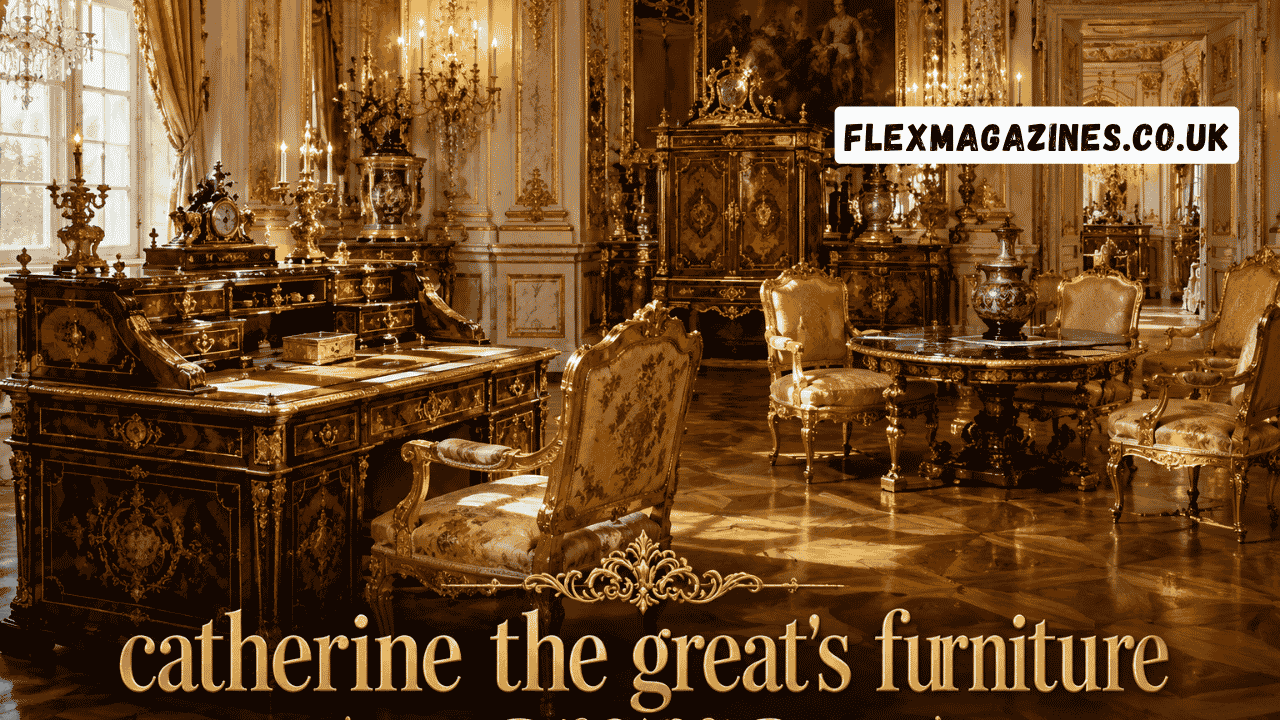
Catherine the Great remains one of the most fascinating rulers in European history, and much of that fascination comes from the luxurious world she built around herself. The story of catherine the great’s furniture goes beyond expensive chairs and royal tables because it reflects power, politics, art, and personal taste during eighteenth-century Russia. Her palaces featured handcrafted furniture, decorative panels, gold-covered ornaments, silk upholstery, and detailed wood carvings imported from some of the best European workshops. Historians often describe her interiors as a mix of Russian imperial identity and French neoclassical elegance. Today, people continue searching for catherine the great’s furniture because the designs, rumors, and palace collections still attract historians, collectors, and interior design enthusiasts.
The Rise of Luxury Furniture During Catherine’s Reign
When Catherine became Empress of Russia in 1762, she wanted her empire to look modern and culturally advanced. She invited architects, artists, and craftsmen from France, Germany, and Italy to transform Russian palaces into symbols of wealth and sophistication. This decision helped shape catherine the great’s furniture into one of the most recognizable royal interior styles in Europe. Large reception halls, private salons, and ceremonial rooms were carefully decorated with matching furniture collections designed specifically for each palace interior. The furniture was not simply practical because every piece represented status, education, and imperial authority.
The royal workshops under Catherine’s rule focused heavily on detail and craftsmanship. Cabinetmakers used rare woods, bronze decorations, marble tops, and silk fabrics imported from across Europe. Some pieces included hidden drawers and secret compartments that reflected the scientific curiosity of the Enlightenment era. Many experts believe that catherine the great’s furniture helped Russia compete culturally with France and Britain during the eighteenth century. This approach changed Russian interior decoration permanently and influenced noble families across the empire.
What Is catherine the great’s furniture and Why Is It Famous?
Many readers ask, what is catherine the great’s furniture and why has it remained popular centuries later. The term refers to the royal furniture collections connected to Catherine the Great and the interiors of imperial Russian palaces during her reign. These collections included dining chairs, cabinets, writing desks, decorative tables, mirrors, wall panels, and ceremonial throne furniture. The designs were heavily inspired by European neoclassical trends but still carried Russian artistic influences. Historians often view these interiors as some of the finest examples of eighteenth-century royal decoration.
The fame surrounding catherine the great’s furniture also comes from the myths and rumors attached to it. Stories about hidden rooms, unusual artwork, and controversial decorative pieces have circulated for decades. Some rumors became exaggerated during the twentieth century, especially after World War II. Despite those stories, most museum experts focus on the historical craftsmanship and artistic value of the surviving collections. Modern visitors continue searching for photos of catherine the great’s furniture because the interiors still appear visually stunning today.
The Influence of European Designers and Craftsmen
Catherine admired European art and culture, so she hired famous architects and furniture designers to work inside her palaces. One of the most important names connected to catherine the great’s furniture was Charles Cameron, a Scottish architect known for elegant neoclassical interiors. His designs used soft colors, symmetrical patterns, and refined decorative details inspired by ancient Greece and Rome. Cameron worked on important royal residences including the Catherine Palace and Pavlovsk Palace. His influence helped create the graceful style now associated with imperial Russian interiors.
Another major figure connected to catherine the great’s furniture was David Roentgen, a German cabinetmaker famous for mechanical furniture. Roentgen created desks and cabinets with secret compartments and moving parts that amazed European royalty. Catherine purchased several of his luxury pieces because they represented intelligence, innovation, and craftsmanship. Some of these desks could transform shape or reveal hidden storage spaces with the push of a mechanism. These unusual designs still attract collectors and historians interested in royal furniture engineering.
Important features commonly found in Catherine’s palace furniture included:
- Gilded wood carvings
- Silk and velvet upholstery
- Marble tabletops
- Bronze ormolu decorations
- Floral marquetry patterns
- Hidden compartments
- Hand-painted decorative panels
The Amber Room and Its Connection to Royal Interiors
No discussion about catherine the great’s furniture is complete without mentioning the famous Amber Room. This legendary chamber became one of the most valuable and mysterious interiors in Russian history. The room contained amber panels, mirrors, gold leaf decorations, and carved ornaments that reflected candlelight throughout the palace. Although the Amber Room began in Prussia, it eventually became part of the Catherine Palace near Saint Petersburg. During Catherine’s reign, the room was expanded and transformed into a symbol of imperial luxury.
The Amber Room contributed greatly to the popularity of catherine the great’s furniture in modern culture. People searching for catherine the great’s furniture real pics often discover photographs of reconstructed Amber Room interiors because they represent the visual richness of Russian royal decoration. Historians still debate how much of the original room survived after World War II because it disappeared during the Nazi occupation. The recreated version now attracts thousands of tourists every year. Its beauty continues inspiring documentaries, books, and historical articles focused on imperial Russian design.
The Most Famous Furniture Pieces in Catherine’s Collection
Several surviving pieces connected to catherine the great’s furniture remain highly valuable today. Museums preserve ceremonial chairs, decorative cabinets, and handcrafted writing desks from her palace interiors. These pieces often display extraordinary detail that reflects the skills of eighteenth-century artisans. Historians believe many furniture collections were custom-designed to match wall colors, flooring, curtains, and ceiling paintings within specific palace rooms. This level of coordination was considered highly advanced for the period.
One famous example is the catherine the great’s furniture table associated with royal dining rooms and ceremonial spaces. These tables were often decorated with carved legs, gold trim, and imported marble surfaces. Royal guests would dine in halls filled with matching chairs, mirrors, and chandeliers designed to impress foreign diplomats. Some palace rooms even used color themes where furniture fabrics matched painted wall panels and decorative curtains. The goal was to create a complete visual experience rather than simply furnish a room.
Notable items connected to the royal collection included:
- Mechanical writing desks
- Neoclassical dining tables
- Gilded ceremonial chairs
- Decorative cabinets with hidden drawers
- Marble-topped console tables
- Silk-covered salon furniture
Why People Search for Historic Photos and Images
Interest in catherine the great’s furniture increased dramatically after the rise of online historical archives and museum photography. Many people search for catherine the great’s furniture photos to better understand how Russian palaces looked during the eighteenth century. These photographs usually show luxurious halls filled with chandeliers, mirrors, silk-covered chairs, and gold-covered decorations. Some restored palace rooms appear almost untouched by time because conservation teams worked carefully to recreate the original interiors. These visual records help modern audiences connect with imperial history in a more personal way.
Online interest also includes searches for catherine the great’s furniture in color because many older historical images were originally printed in black and white. Color photography of restored palace interiors reveals the richness of green silk fabrics, polished wood surfaces, golden carvings, and amber wall panels. These details help explain why Catherine’s interiors became famous across Europe. Some museum exhibitions now use digital restoration technology to recreate damaged palace rooms and lost decorative elements. This has made catherine the great’s furniture even more popular among history enthusiasts and design bloggers.
The Controversies and Rumors Surrounding the Furniture
The internet contains many controversial stories connected to catherine the great’s furniture, especially regarding alleged erotic furniture collections. Some wartime reports and later rumors claimed that secret rooms contained explicit decorative objects and unusual furniture pieces. Historians remain cautious about these claims because reliable evidence remains limited and many stories appeared decades after Catherine’s death. Much of the fascination comes from sensational retellings rather than verified historical documents. Still, the rumors continue attracting attention online.
Search terms like catherine the great’s furniture unblurred often appear because people are curious about these controversial claims. However, most museums and historians focus more on the verified artistic and historical value of Catherine’s palace interiors. The surviving furniture collections already provide enough evidence of luxury and innovation without relying on exaggerated myths. Researchers continue studying palace records, restoration archives, and historical letters to separate fact from fiction. This mixture of truth and legend keeps public interest alive even today.
How catherine the great’s furniture Influenced Interior Design
The influence of catherine the great’s furniture extended far beyond Russia’s royal palaces. Wealthy aristocrats across Europe began copying neoclassical styles that became popular during her reign. Furniture makers adopted symmetrical designs, carved decorations, and elegant color schemes inspired by imperial interiors. Russian noble families also hired European craftsmen to decorate private estates using similar artistic principles. This created a long-lasting design tradition that continued into the nineteenth century.
Modern luxury interior designers still study catherine the great’s furniture because many of its design principles remain timeless. Coordinated room themes, handcrafted materials, and balanced architectural details continue appearing in upscale homes and hotels today. Museums preserving imperial Russian interiors attract designers searching for historical inspiration. The elegance of Catherine’s palace rooms demonstrates how furniture can shape atmosphere and social identity at the same time. This lasting influence explains why the subject continues generating global interest centuries later.
Conclusion
The history of catherine the great’s furniture combines royal ambition, artistic craftsmanship, political symbolism, and historical mystery. Her palaces represented more than wealth because they projected Russia’s cultural power during a period of major transformation. From mechanical desks and marble tables to the legendary Amber Room, every collection reflected careful planning and extraordinary attention to detail. Although rumors and myths continue surrounding some aspects of her interiors, the verified historical legacy remains impressive on its own. The continued fascination with catherine the great’s furniture proves that imperial Russian design still captures the imagination of readers, historians, and interior enthusiasts around the world.
FAQs
1. What is catherine the great’s furniture?
catherine the great’s furniture refers to the luxury furniture collections, palace interiors, and decorative pieces associated with Catherine the Great during her reign in eighteenth-century Russia.
2. Why is catherine the great’s furniture famous?
The furniture became famous because of its luxurious craftsmanship, European artistic influence, royal palace interiors, and the many myths connected to Catherine’s private collections.
3. Are there real photos of catherine the great’s furniture?
Yes, museums and historical archives contain catherine the great’s furniture real pics showing restored palace rooms, ceremonial furniture, and decorative interiors.
4. What styles influenced catherine the great’s furniture?
French neoclassical design, German craftsmanship, and Russian imperial decoration heavily influenced the style of catherine the great’s furniture.
5. Where can people see catherine the great’s furniture today?
Many surviving pieces and reconstructed palace interiors can still be viewed in museums and royal residences near Saint Petersburg, Russia.